In conversations, sometimes it’s best to “be a little deaf”

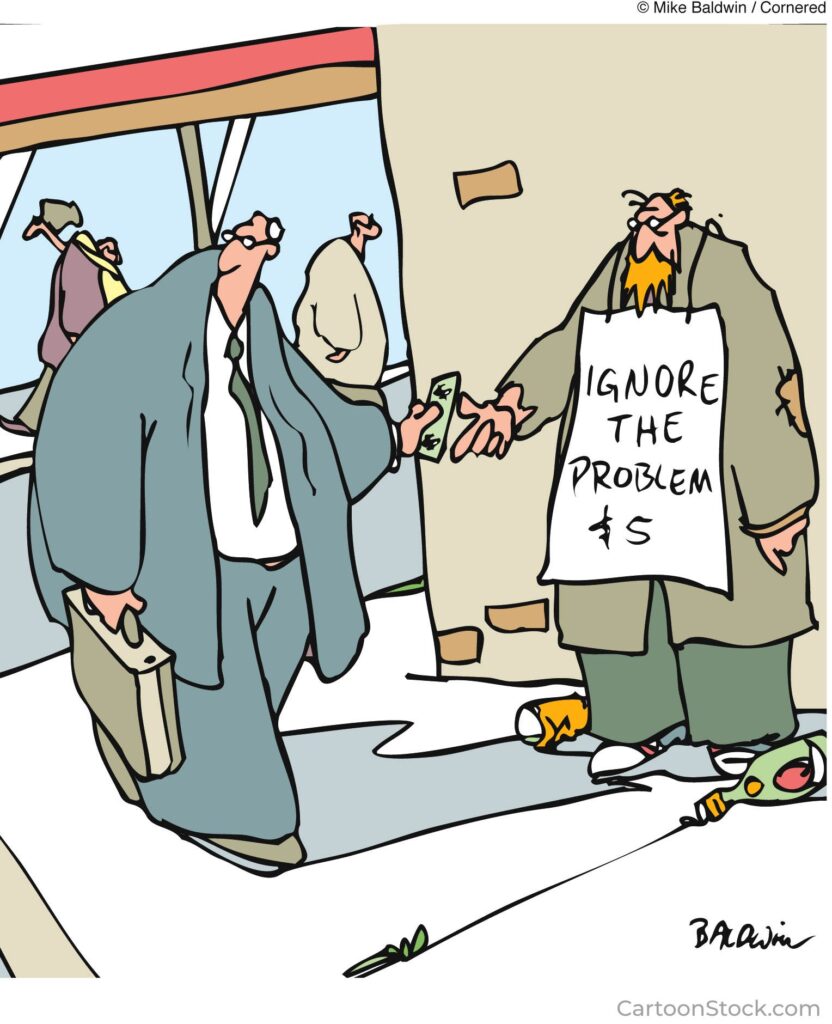
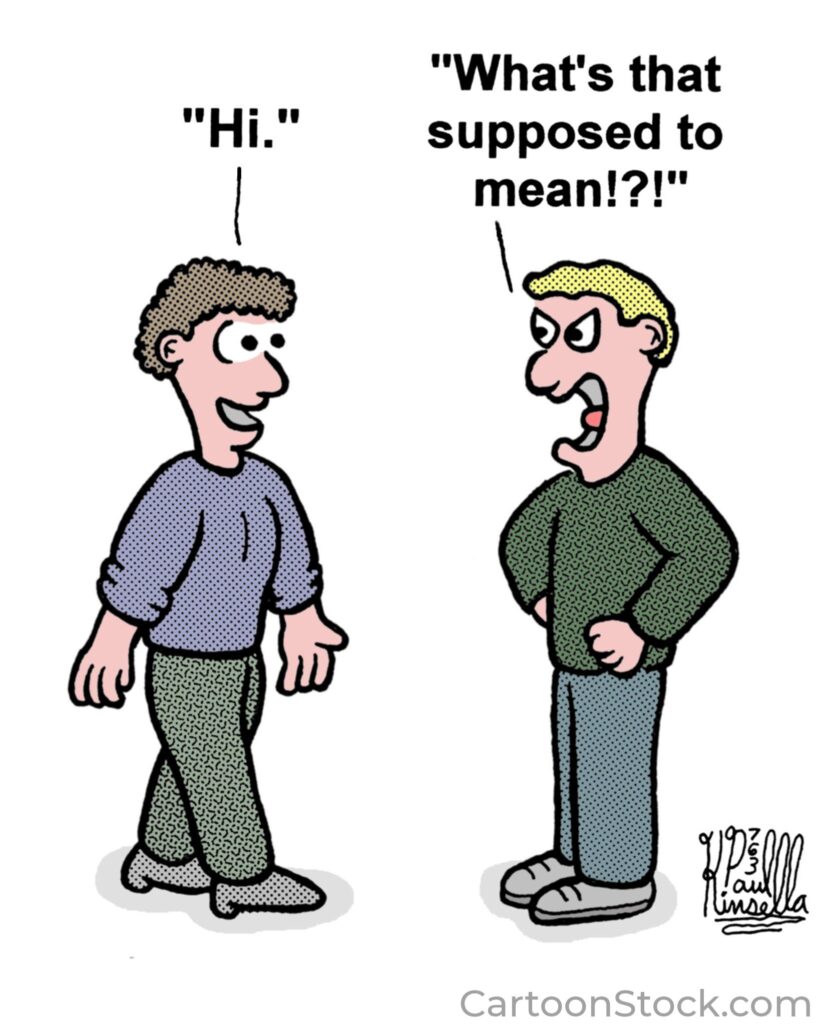
“In every good marriage, it helps sometimes to be a little deaf. I have followed that advice assiduously, and not only at home through 56 years of a marital partnership nonpareil. I have employed it as well in every workplace, including the Supreme Court. When a thoughtless or unkind word is spoken, best tune out. Reacting in anger or annoyance will not advance one’s ability to persuade.”  –Supreme Court Justice Ruth Bader Ginsburg [This excerpt from Ginsburg’s new book My Own Words appeared in a New York Times article.]

Your spouse, friend, colleague, or total stranger makes a silly, unnecessary, provocative, or dubious statement. It may be, at best, trivial, inaccurate, vague, or unfair; at worst, it’s tacky, wrong, even hurtful. Is it okay to just let verbal flatulence slowly dissipate without addressing it, or should we respond?

As Ginsburg advises, sometimes no response is the best response.

Granted, there are times when unwholesome words should be addressed, particularly if someone is a repeat offender. Chronic verbal abuse is inexcusable and should not go unchallenged.

So the question is: when should you ignore and when should you respond to an off-putting statement?

In the coming days, exercise the “Ginsburg-restraint.” It is a tool we all need in our relational toolbox.

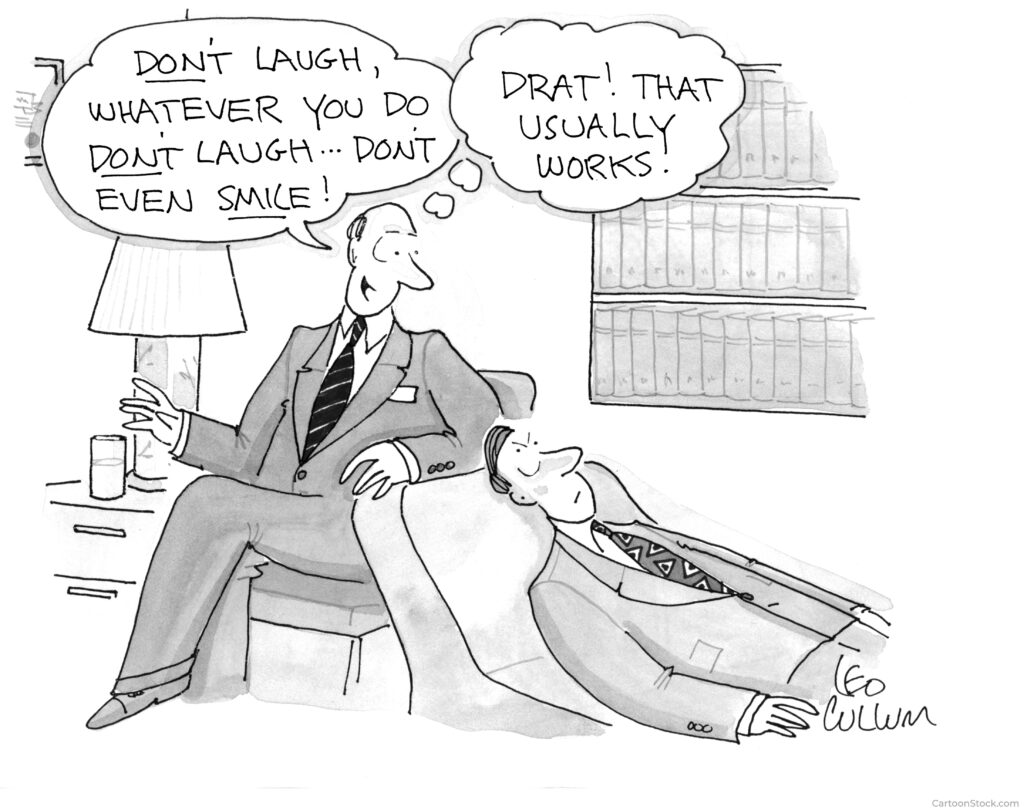
The power of a smile

A man without a smiling face must not open a shop. —Chinese proverb

Dale Carnegie’s terrific book, How to Win Friends and Influence People is a must-read. Though written 90 years ago (1926), it is so rooted in basic human psychology, it still speaks to our modern age.

He taught seminars based on the book to large audiences in New York City.

Carnegie devoted an entire chapter— A Simple Way to Make a Good First Impression— to the topic of smiling. When he taught this chapter at his seminars, he gave his students a simple assignment: Smile at someone every hour of the day for the next week and then come back to class and talk about the results. The positive results of this simple exercise were profound. His students learned that a smile is one of the most potent people skills and that it can dramatically improve human relationships.

Richard Wiseman, in his book Quirkology: How We Discover the Big Truths in Small Things, said, “People smile when they feel happy. However, evidence suggests that the mechanism works in reverse; that is, people feel happy simply because they have smiled.” He refers to a 1988 research project conducted by Fritz Strack in which participants in one group were asked to hold a pencil between their teeth, but to ensure that it did not touch their lips which forced the lower part of their faces into a smile. Another group was asked to support the end of the pencil with just their lips, not their teeth, which forced their faces into a frown. The results revealed that people actually experience the emotion associated with their expressions. Those who had their faces forced into a smile felt happier.

Carnegie concluded his chapter on the power of a smile with these words:

The Value of a Smile

      • It costs nothing, but creates much.
      • It enriches those who receive, without impoverishing those who give.
      • It happens in a flash and the memory of it sometimes lasts forever.
      • None are so rich they can get along without it, and none so poor but are richer for its benefits.
      • It creates happiness in the home, fosters good will in a business, and is the countersign of friends.
      • It is rest to the weary, daylight to the discouraged, sunshine to the sad, and Nature’s best antidote for trouble.
      • Yet it cannot be bought, begged, borrowed, or stolen, for it is something that is no earthly good to anybody till it is given away.

It’s helpful to consider the difference between our resting face and our engaged face.

Resting face – the way your face looks when you are at ease, with facial muscles relaxed. 

Engaged face – the way your face looks when you are consciously manipulating your face to appear more engaged, approachable, and friendly. I’ve also heard this called a “yes face.”

To display an engaged face, raise the eyebrows, open up the eyes, smile, and raise the forehead. To exhibit a resting face, do nothing. 

Let’s accept the same assignment Dale Carnegie challenged his students with: Put on you engaged face and smile at someone every hour of the day for the next week and then come back to class and talk about the results. Or, in our case, respond to this blog post.

“It’s not about the cheese” Beware of unresolved and mis-placed anger.

One cabin remains for the August trip to Iberia

Writer Sarah Lyall tells of a man’s outburst in a supermarket when he couldn’t get a certain type of cheese—a blue cheese called Cambozola. The man was obnoxious and belligerent. A store employee observed, “I don’t think this is about the cheese.”

We’re all guilty of this unfair, unproductive, immature, hurtful, and wrong behavior. We’re angry about X but we express our anger in ways that are unrelated to X. We’re frustrated at work and when we get home we yell at our spouse. We’re frustrated at home and take it out on our coworkers. We’re angry about something so we give grief to the deli worker at the grocery store.

In these cases, it’s not about the cheese. It’s about unresolved and misplaced anger.

Sometimes anger resolves itself. If I’m upset at a minor issue—the lawn mower won’t start—in time the anger will dissipate. But if anger is deep seated, we need to talk it out with a counselor or a friend who listens well. 

If we’re angry because we think someone has done us wrong, we should properly express our anger to the person who offended us. In a controlled manner, share your perspective and be open to hear “the other side of the story.” Approach these conversations carefully because your anger may be unjustified or overblown.   

Or, we can simply choose to drop it. 

If we do take out our frustration on an innocent bystander, we need to apologize. Do that often enough and it will help change your behavior. 

One of the hardest things to do in life—requiring extreme self-awareness and self-control—is to sense when you’re about to take your frustration out on the innocent, and not do so. Better yet, we can even anticipate acting badly and make a decision to preempt bad behavior. For instance, having had a bad day at work, while driving home I should make a note-to-self—“I’ve had a hard day.”—and remind myself to not take it out on my family.

I love that phrase—It’s not about the cheese. I’m going to suggest to my family that we use it with one another as a verbal cue when we think one of us is venting on an innocent bystander.

Travel with Friends trip to Iberia – August 24-September 8

Only one premium balcony cabin is available for the TWF trip to Iberia. If interested, email me at djmcminn@msn.com.


Wonderful things happen around a meal

The Spanish word – sobremesa – summarizes the message I want to convey in this post. It describes the time spent around the table after lunch or dinner, talking to the people you shared the meal with; time to digest and savor both food and friendship.

There is something profoundly satisfying about sharing a meal with other people. Eating together is one of the oldest and most fundamental unifying human experiences. It can simultaneously fulfill physical, emotional, and relational needs.

It will help establish and deepen friendships

If I share my food with you it’s either because I love you a lot, or because it fell on the floor and I don’t want it. (That’s a joke.) Seriously, I can’t think of another setting that’s better for solidifying friendships than gathering to eat. It slows down our pace, narrows our space, focuses our attention, and creates a relaxing ambience—all of which are beneficial for deepening friendships.

It’s good for business

Since humans first walked the earth, we’ve known that sharing a meal can be good for business. For instance, a recent study revealed that it doesn’t take much to get a doctor to prescribe a brandname medication—just a free meal. The study found that U.S. doctors who received a single free meal from a drug company were more likely to prescribe the drug than doctors who received no such meals. Meals paid for by drug companies cost less than $20 on average. [Even Cheap Meals Influence Doctors’ Drug Prescriptions, Study Suggests, Peter Loftus, WSJ, June 20, 2016].

I’ve never understood why some organizations are stingy with the amount of funds allocated for business meals. I once worked with a group of six senior executives at a $75 million dollar a year business. They were frustrated that the CEO, in order to save money, eliminated their budget for business meals, which saved the company a whopping $24k a year. I suspect that poor decision cost the company a lot of revenue.

It engenders good will

Treat someone to a $15 lunch and they’ll be your friend forever. Well, that’s an exaggeration; but it’s true that even a small amount of money and time will generate a lot of relational capital.

A weekly family meal can become a wonderful family tradition

I enjoy watching the sitcom, Bluebloods (on CBS). It follows the lives of three generations of New York City police officers. In most episodes, there’s a scene showing their weekly, Sunday afternoon family meal in which they gather around the dinner table to talk, argue, laugh, and pass the potatoes.

Every family would benefit from this tradition. My family enjoys weekend dinners together. We often share a meal together and then play games. Last week the game was, Get in groups of two, grab the dog and and teach it to dance. In a moment, choose a song you want to dance to and let it rip. We laughed so hard our sides ached.

I double-dog-dare you: initiate and host meals and enjoy the sobremesa.

[A Meal With Jesus – Discovering Grace, Community, and Mission around the Table is a terrific book by Tim Chester. The book reminds us that grace, mission, and community are never enacted best through programs and propaganda, but rather through the equality and acceptance experienced around a meal.]